From EdUHK to Yuanpei College
In February 2026 I travelled from Hong Kong to Beijing to spend a semester as an exchange student at Peking University, studying in Yuanpei College — the university’s flagship liberal-arts college, named after Cai Yuanpei, Peking University’s founding president. Coming from the teacher-education tradition of EdUHK, I wanted to see how a world-leading research university thinks about learning, knowledge, and technology.
Living on the Yanyuan campus and working in Putonghua — my native language — let me move between two education systems daily: Hong Kong’s school-centred, pedagogy-first training and Beijing’s research-intensive, discipline-driven culture. The semester taught me more than any single course could: how to bridge them.
KnowLP: An LLM-Driven Clinical Education Knowledge Graph
My main project at PKU was contributing to KnowLP, a large language model–driven knowledge graph for clinical education. The system was developed from eight Oxford Medical Handbooks, transforming expert-authored medical content into structured, assessable learning objects.
The knowledge structure was aligned with the AAMC Core EPAs and USMLE categories, making it directly usable for competency-based medical education. Working on KnowLP sharpened my understanding of knowledge tracing, educational data mining, and how GenAI can support structured feedback at scale — the same questions I ask in my secondary-education research.
KnowLP received national recognition as a distinguished intelligent agent in medical education. For me, the deeper lesson was methodological: the same knowledge-graph and LLM techniques that power clinical education can be translated into STEM classrooms — tracing what a learner knows, what they misunderstand, and what feedback would move them forward.
A Semester in Review
- Jan 2026Pre-departure — nomination confirmed at EdUHK; packed for a Beijing winter and a semester of unknowns.
- Early Feb 2026Arrival — first days at Yanyuan: dorm unpacking, orientation at Yuanpei College, and my first canteen queue. Everything felt big and brisk.
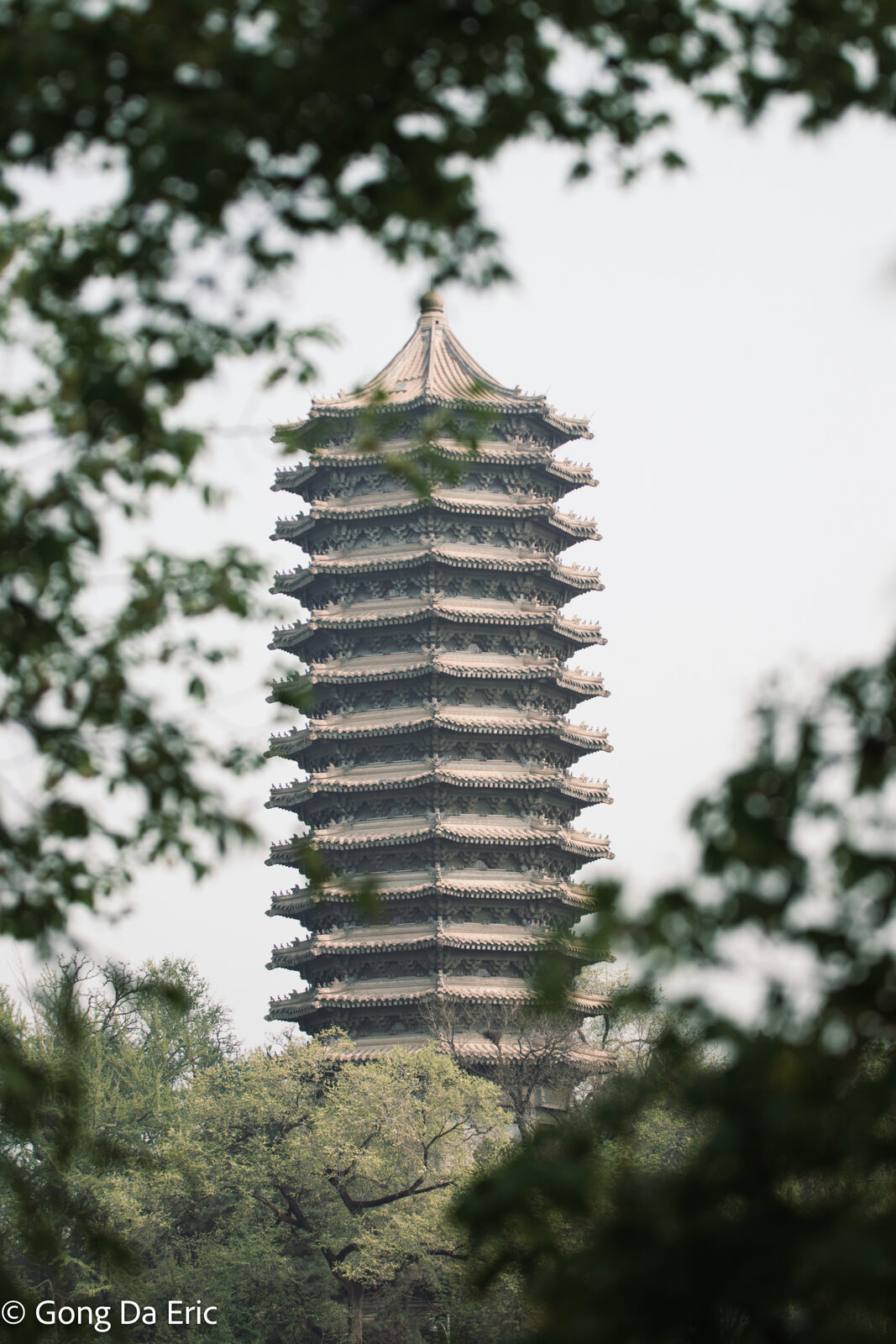
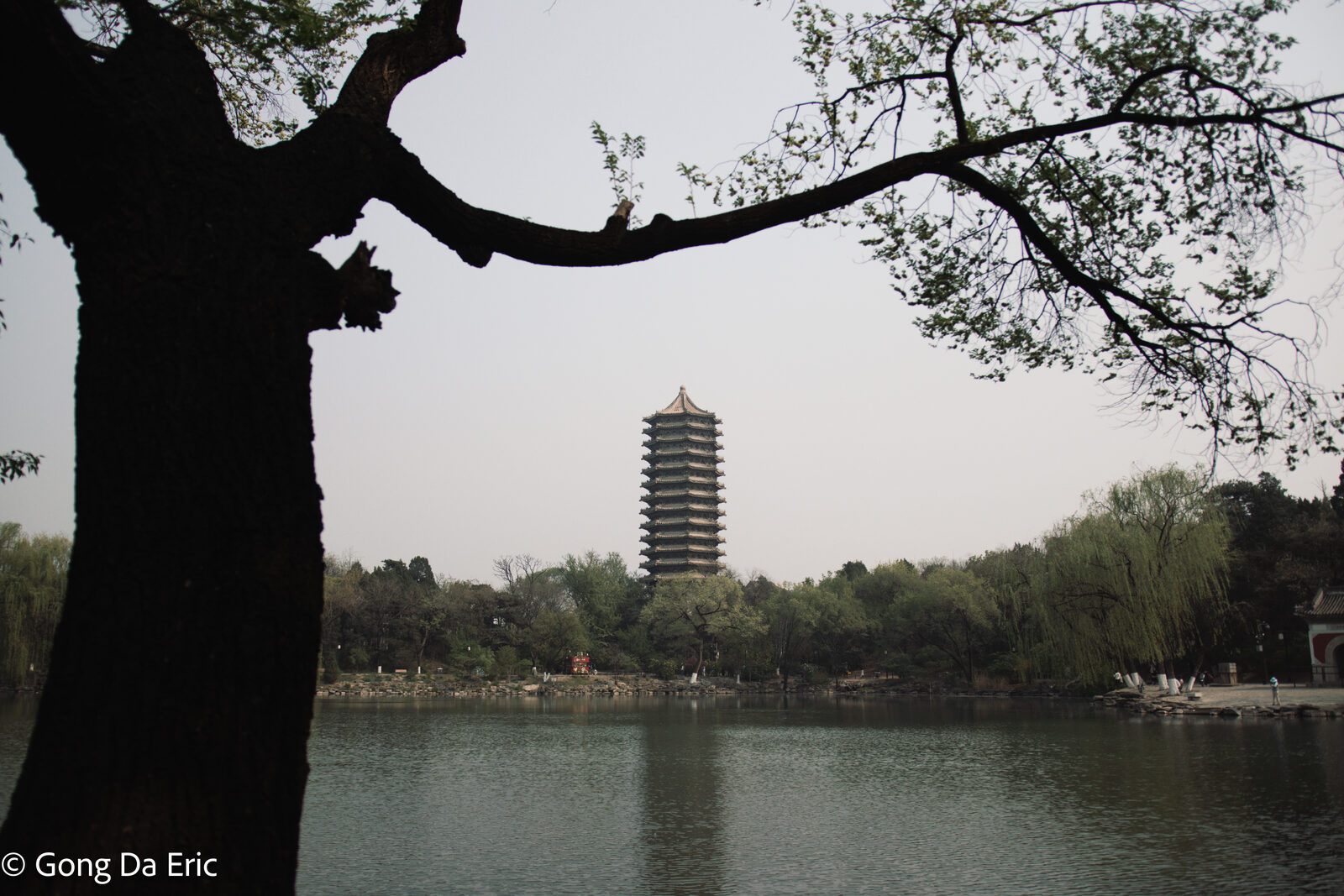
- Feb 2026Learning to move — bought a second-hand bike and learned the campus by getting lost: the library, the lake, the pagoda. Every wrong turn was a tour.
- Feb – Mar 2026Coursework & seminars — courses bridging education, AI, and data science; reading groups on educational data mining, usually followed by long canteen debates that outlasted the meals.
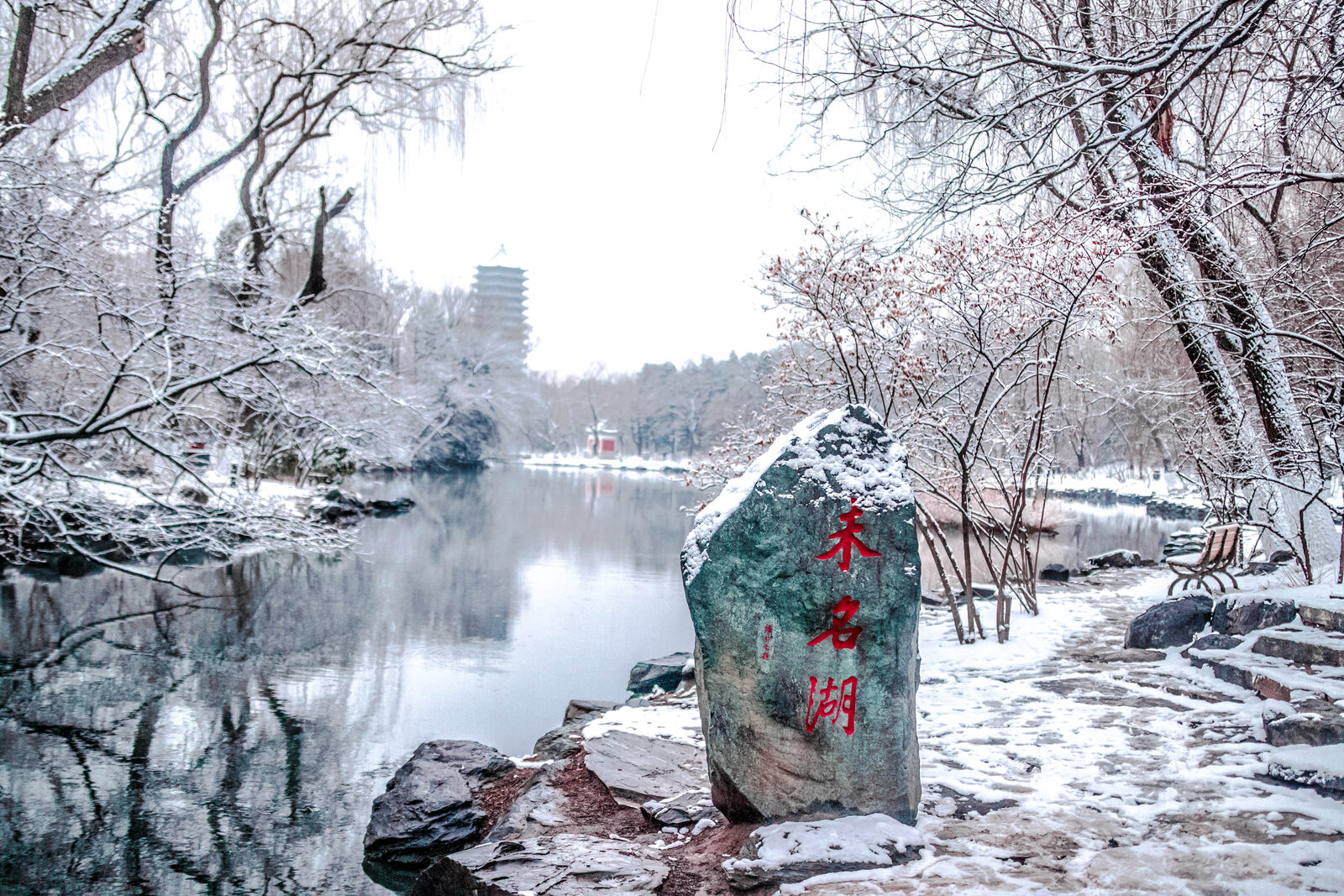
- Mar – Apr 2026Spring arrives — magnolias and blossoms along the paths; walks around Weiming Lake between classes became the default break.
- Feb – May 2026KnowLP — contributed to the clinical education knowledge graph: knowledge-component extraction, relationship structuring, and alignment with AAMC Core EPAs and USMLE categories.
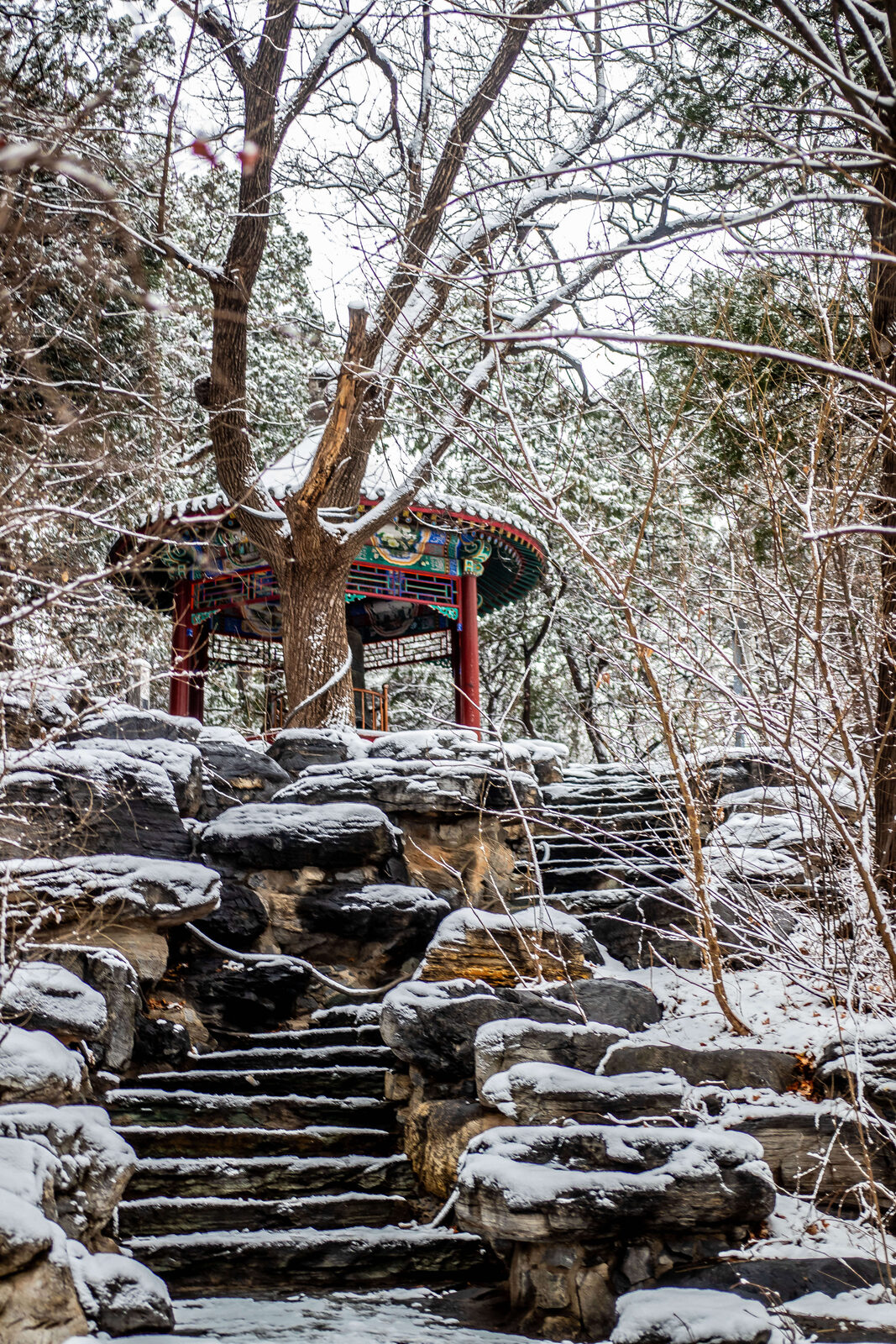
- Apr 2026Camera in hand — a weekend wandering the campus with a camera produced the photographs in the gallery above; light on the lake at dusk.
- May 2026Weekends in Beijing — hutongs, museums, and food that made the canteen look disciplined; conversations in Putonghua that slowly stopped feeling like practice.
- May 2026National Distinction — KnowLP awarded the 2026 National Excellent Medical Education Intelligent Agent by the China Association of Higher Education; celebrated with teammates over dinner.
- Jun 2026Evening routines — running around Weiming Lake, WeChat group chats that ran past midnight, dorm conversations about education, AI, and where we were all heading.
- Jul 2026Return — farewell dinners, promises to visit, and the long trip south. Left Beijing with new methods, new friends, and a camera full of light.
The Campus I Called Home
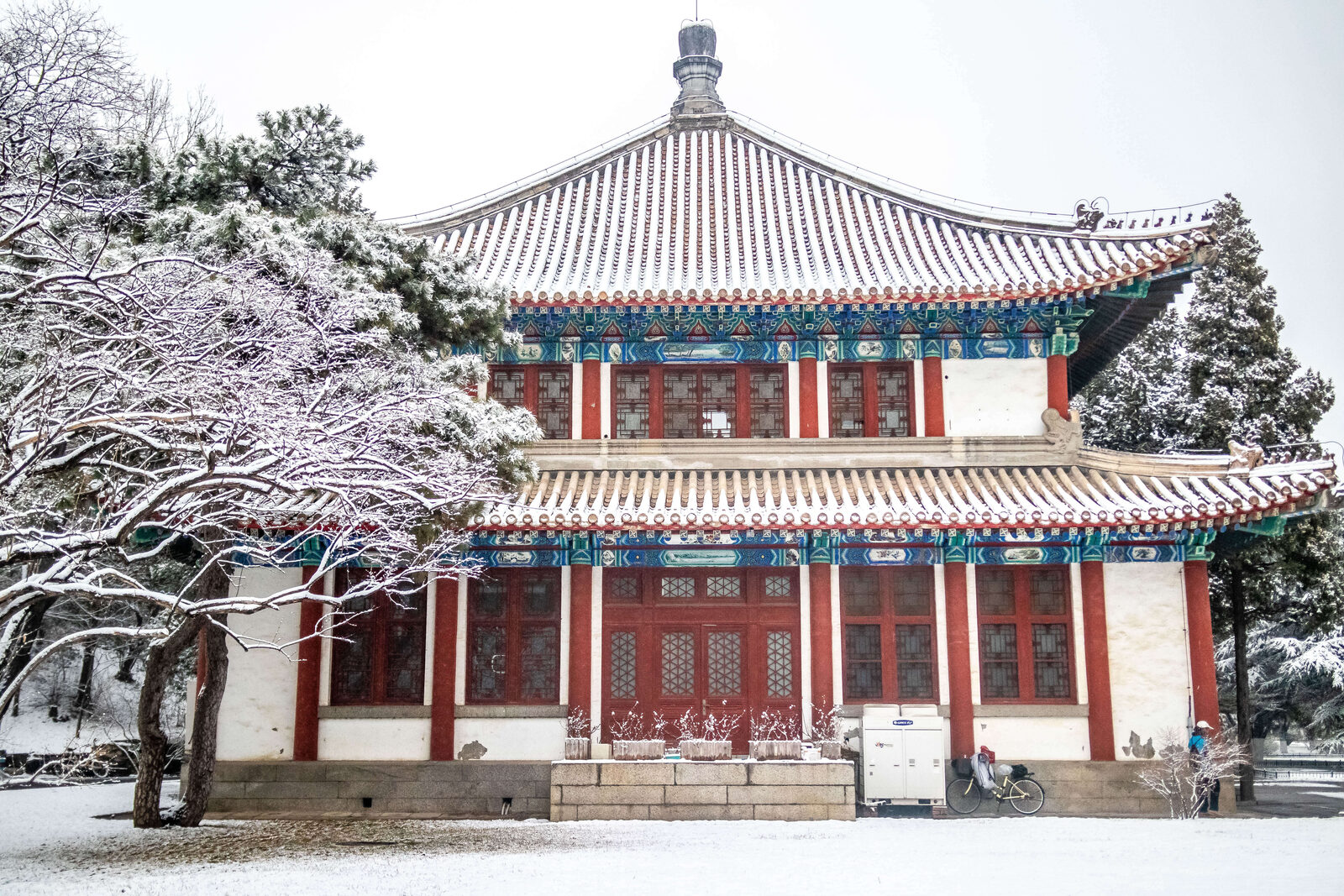
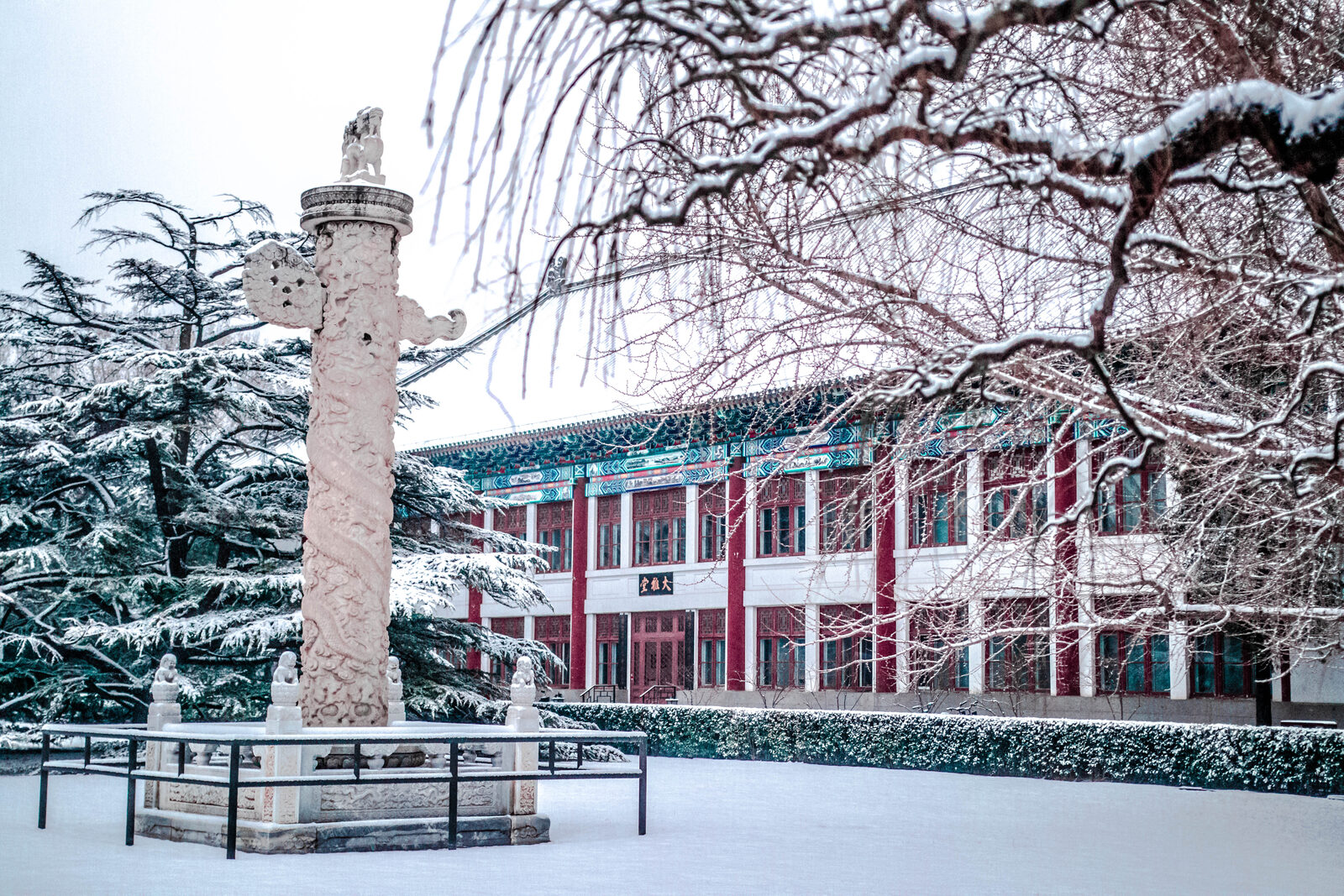
Beyond the lab, Yanyuan itself was a teacher — light on Weiming Lake at dusk, the Boya Pagoda’s reflection in still water, quiet corners that hold a century of learning. These photographs are my record of it.


What I Take Back to Hong Kong
The exchange deepened the two commitments I came in with: educational equity and responsible AI. Working on a system that turns expert knowledge into learnable structure showed me both the promise and the responsibility of AI in education — who gets to learn from it, and how its design shapes what counts as knowledge.
Back at EdUHK, I am bringing these lessons into my own research on GenAI-supported feedback, knowledge tracing, and LLM-assisted learning design — and, eventually, into the secondary-school classrooms of Hong Kong, where my journey as an educator began.